







10 Of The Boldest Scams In History, Counted Down
From Fake Airports To Imaginary Cryptocurrencies, The Frauds That Fooled Banks, Billionaires And Ordinary Savers Around The World
By Hamuk O. Digne · October 11, 2026 · 8 minutes read
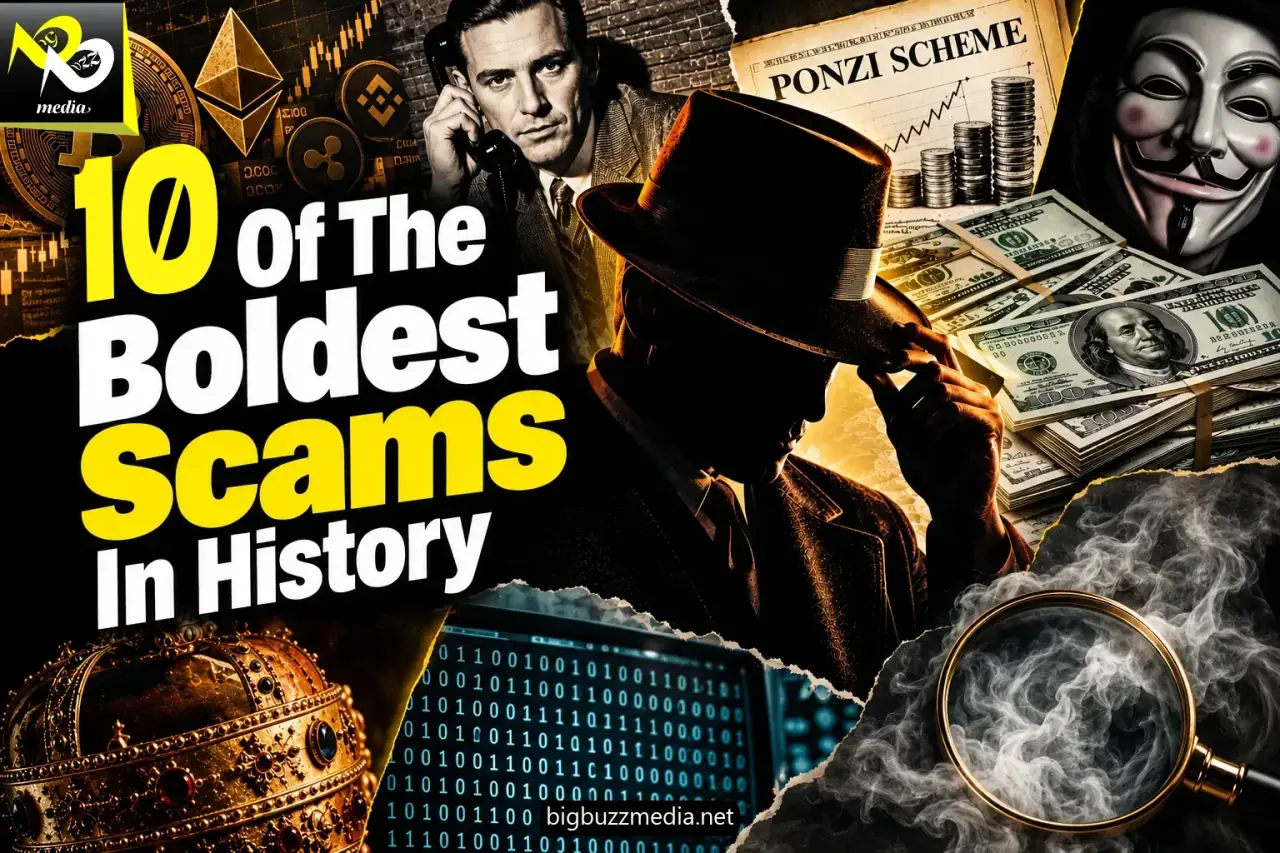
Easy money, a confident story, a trustworthy face. That's all it takes to fool savers, banks, and even billionaires. These are ten of the boldest scams ever pulled, from a decades-long Wall Street fraud to a fake airport that crippled a bank.
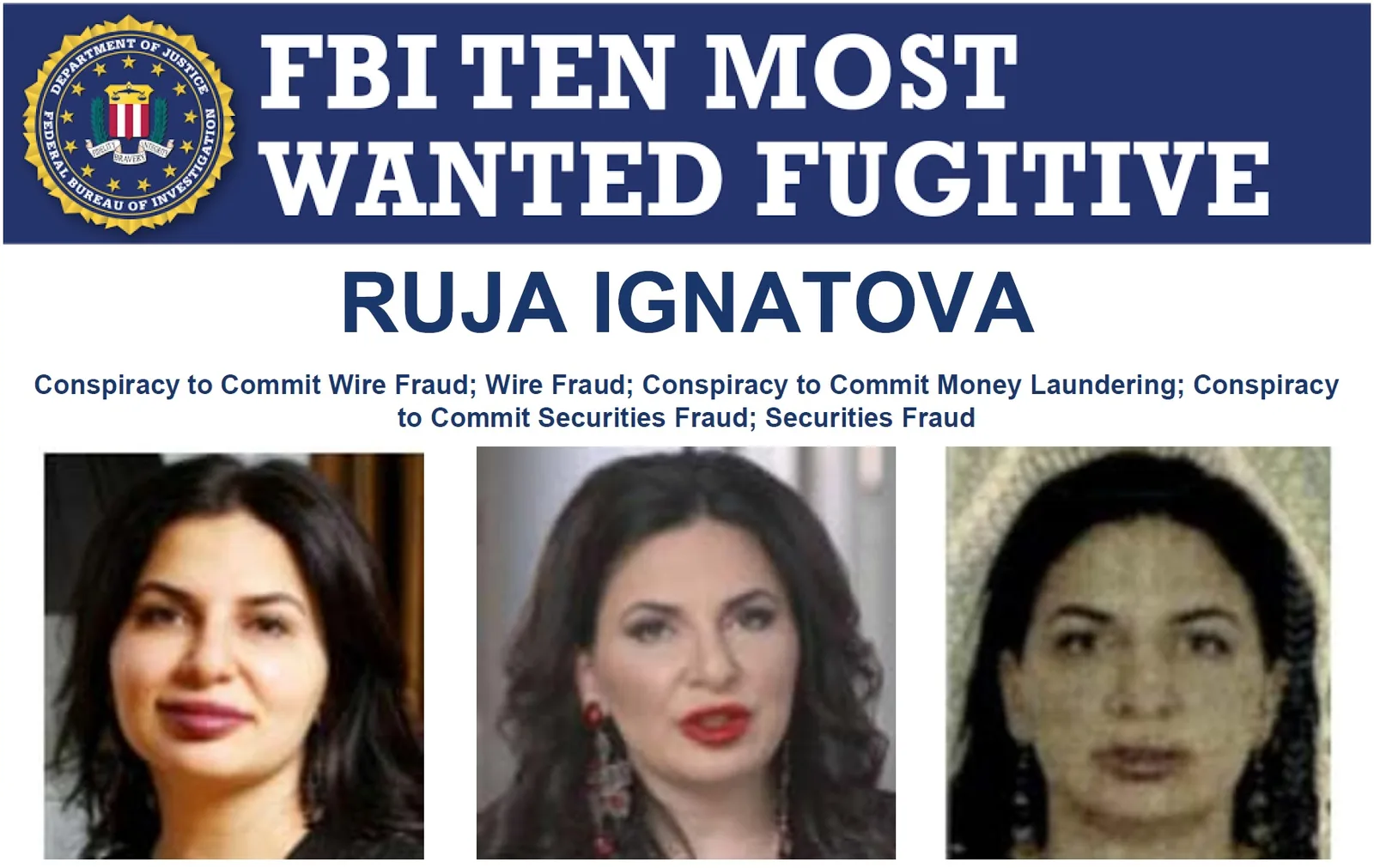
10. OneCoin: The Cryptocurrency That Did Not Exist Ruja Ignatova, who styled herself the Cryptoqueen, promised that OneCoin would be the Bitcoin killer. It had no real blockchain behind it. People around the world bought "educational packages" and coins through a network of recruiters, and around $4 billion was taken in. In October 2017, Ignatova boarded a flight from Bulgaria to Greece and was never seen again. She was added to the FBI's Ten Most Wanted list in 2022 and is still missing. Her co-founder Sebastian Greenwood was sentenced to 20 years in prison, and her brother Konstantin Ignatov pleaded guilty and cooperated with prosecutors.
9. FTX And Sam Bankman-Fried: The Crypto King Who Lost It All Sam Bankman-Fried, widely known as SBF, built FTX into one of the world's biggest crypto exchanges. It had celebrity endorsements, a Super Bowl advert and even the naming rights to the Miami Heat's arena. Then, in November 2022, it collapsed within days. Customer deposits had been quietly moved to Alameda Research, his own trading firm, and spent on risky bets, investments and lavish purchases. About $8 billion of customer money was missing. Bankman-Fried was convicted of fraud and conspiracy in November 2023 and sentenced to 25 years in prison in March 2024, and was ordered to forfeit about $11 billion. He lost his appeal in June 2026, when the Second Circuit upheld the conviction, the sentence and the forfeiture order. Caroline Ellison, his former partner at Alameda, cooperated with prosecutors and received two years.


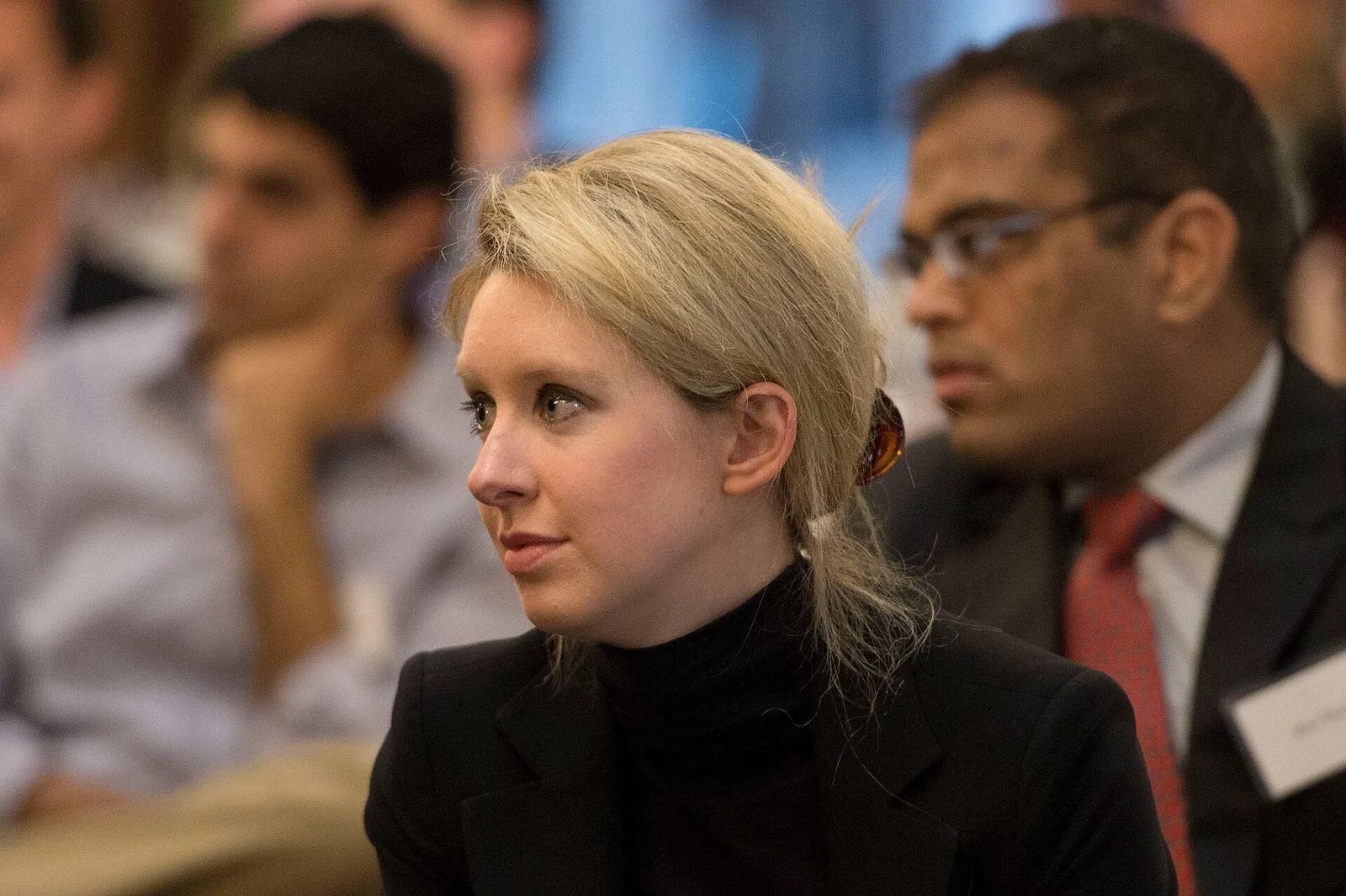
8. Elizabeth Holmes And Theranos: The Blood Test That Never Worked Elizabeth Holmes dropped out of Stanford at 19 to found Theranos, promising a small machine that could run hundreds of health tests from a few drops of blood. Backed by powerful board members and big investors, the company was valued at around $9 billion at its peak. But the technology did not work as claimed, and the company quietly ran many tests on other firms' machines while telling investors and patients otherwise. A 2015 investigation by The Wall Street Journal exposed the truth, and Theranos was dissolved in 2018. Holmes was convicted of defrauding investors in January 2022 and sentenced to 11 years and 3 months in prison. Her business partner Sunny Balwani received nearly 13 years.
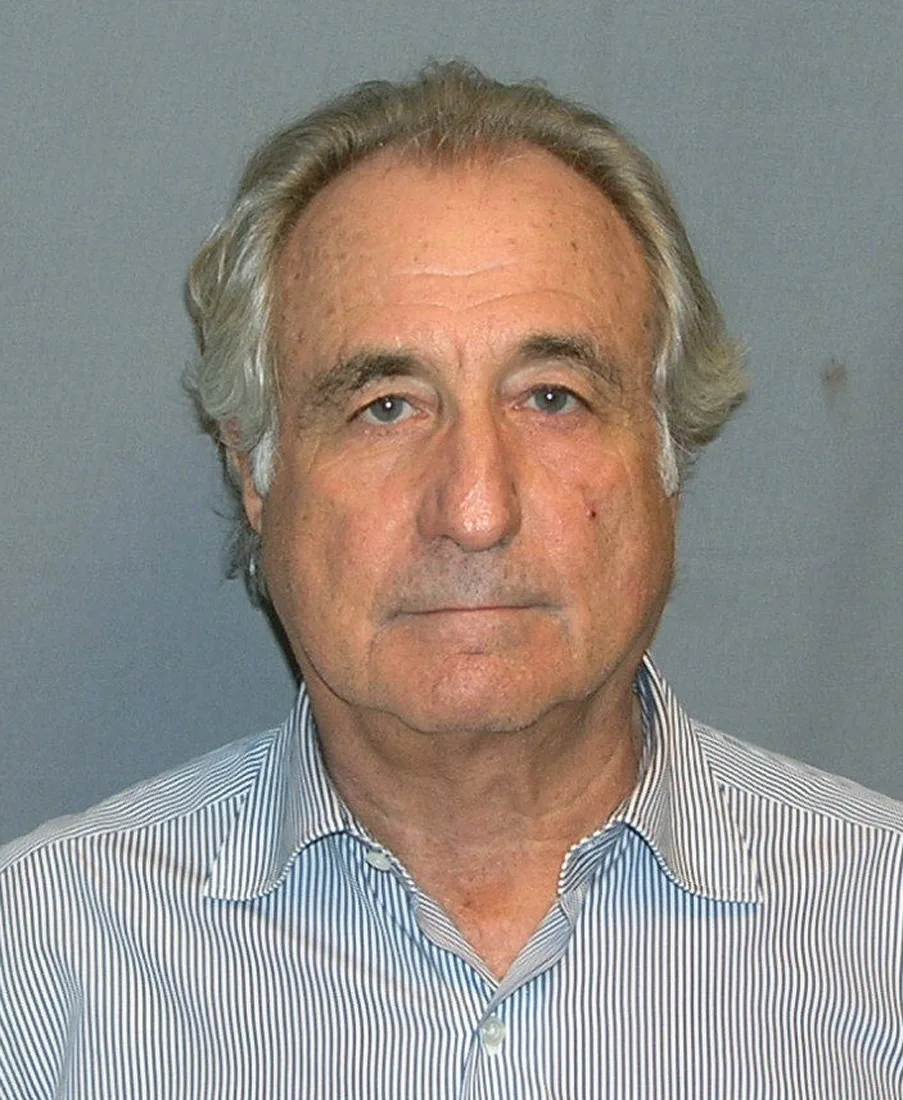
7. Bernie Madoff: The Ponzi Scheme That Fooled Wall Street For decades, Bernie Madoff ran one of the most respected investment firms in New York. Banks, charities, celebrities and retirees trusted him with their savings. The problem was that there were no real investments. He simply paid older clients with money from newer ones, a classic Ponzi scheme, and produced fake statements to keep everyone calm. When the 2008 financial crash made investors ask for their money back, it collapsed, and Madoff's own sons reported him to the authorities. His statements showed roughly $65 billion in accounts, while real losses were estimated at around $17 to $20 billion, making it the largest Ponzi scheme ever uncovered. He pleaded guilty and was sentenced to 150 years in prison. He died behind bars in 2021, aged 82.
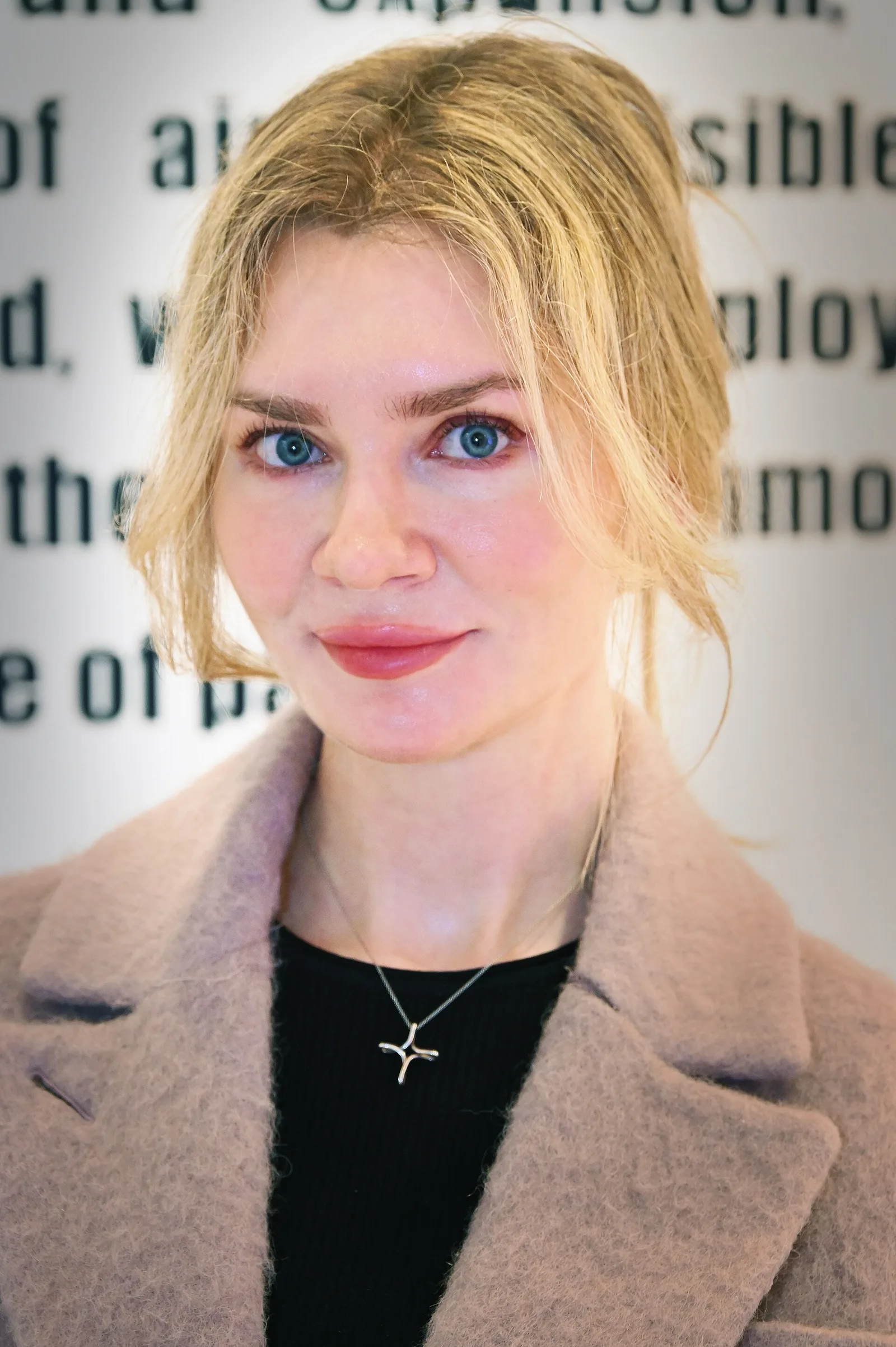
6. Anna Sorokin: The Fake German Heiress Anna Sorokin, who called herself Anna Delvey, convinced New York's high society that she was a German heiress with a fortune of tens of millions of euros. She stayed in luxury hotels, flew on private jets and tried to borrow around $22 million to launch a private arts club. In reality there was no fortune. She left friends, hotels and banks with bills of roughly $200,000. She was convicted in 2019 and sentenced to four to twelve years in prison. She was released in 2021 and was then held by immigration authorities for more than a year. Her story was turned into the Netflix series Inventing Anna.
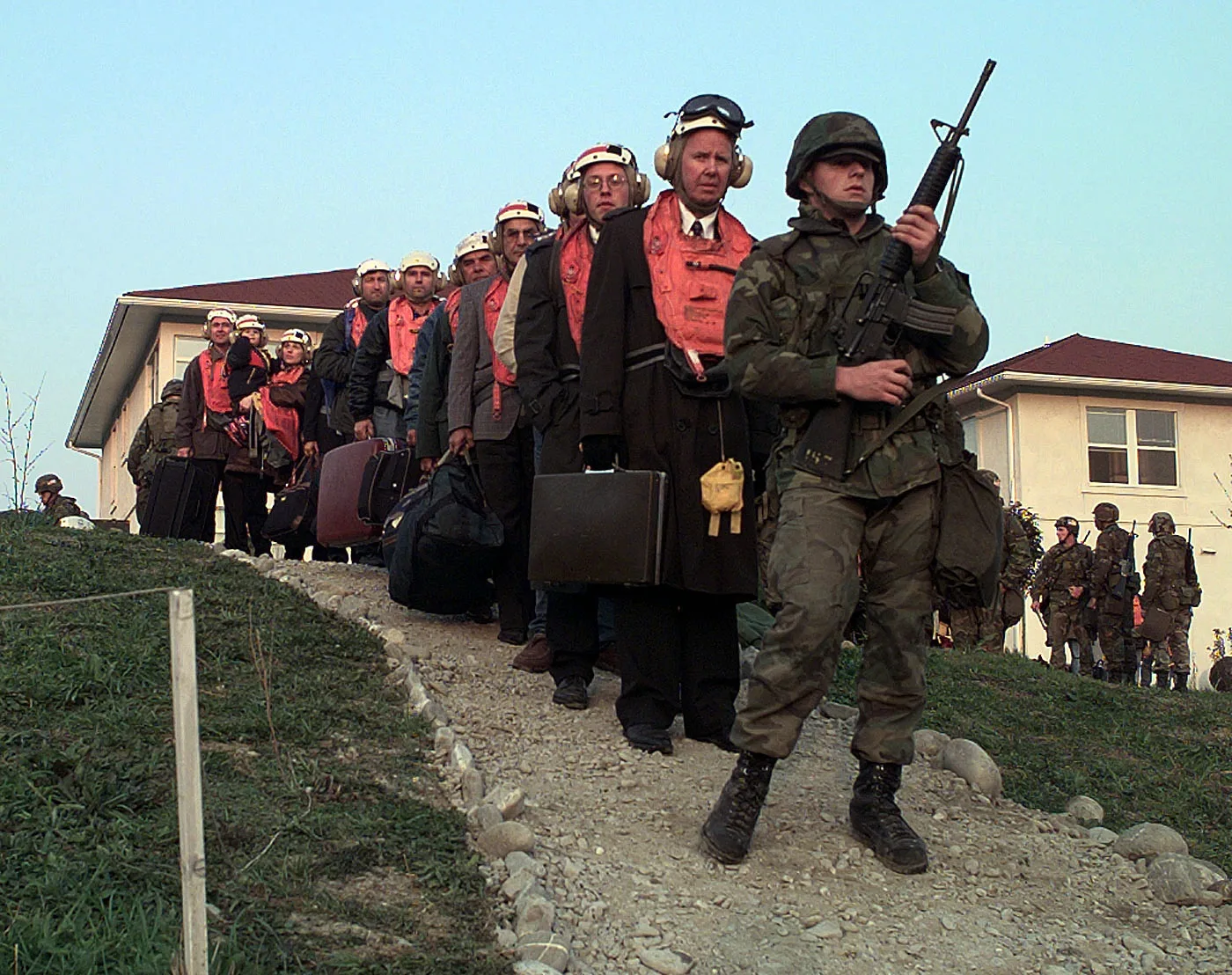
5. Albania: When A Whole Country Went Bust After communism ended in the early 1990s, many Albanians had little experience with banks or investing. Pyramid schemes stepped into the gap, offering monthly returns far beyond anything a bank could pay. A very large share of the population put money in, and many families sold their homes and livestock to join. In January 1997, the schemes collapsed. Savings disappeared overnight, and the country spiralled into riots, with army depots looted and the government falling. An estimated 2,000 people died in the unrest, and foreign governments evacuated their citizens by helicopter. Little of the lost money was ever recovered.
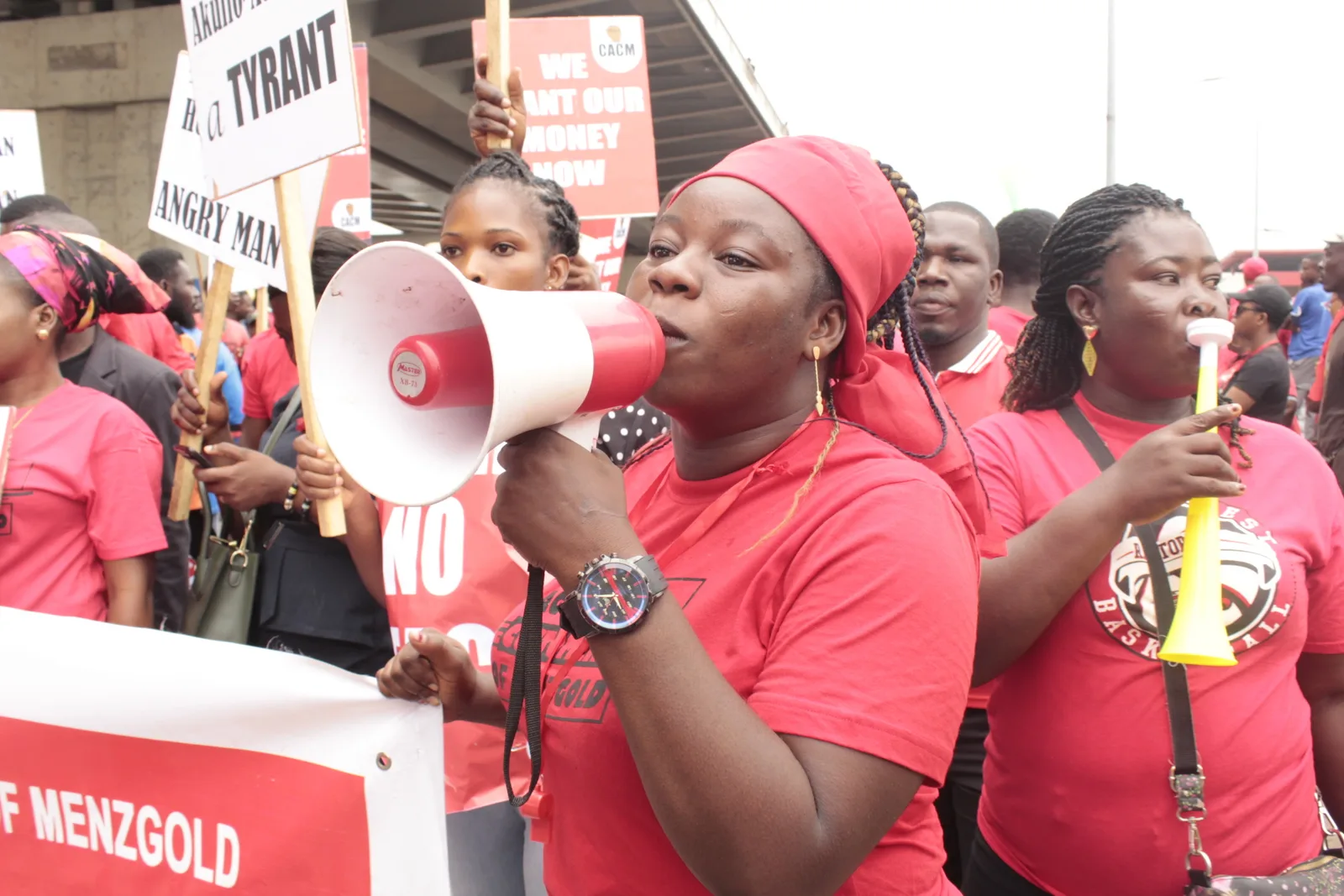
4. Menzgold: Ghana's Gold Scheme Menzgold, founded by Nana Appiah Mensah, known as NAM1, took money from customers and promised regular returns from gold trading. For a time customers were paid and the company grew quickly. In September 2018, the Securities and Exchange Commission ordered the company to suspend operations for running without a licence, and customers could no longer get their money out. Prosecutors say more than 16,000 people were affected. Mensah was charged in Ghana and has denied the charges, and the trial is still continuing.
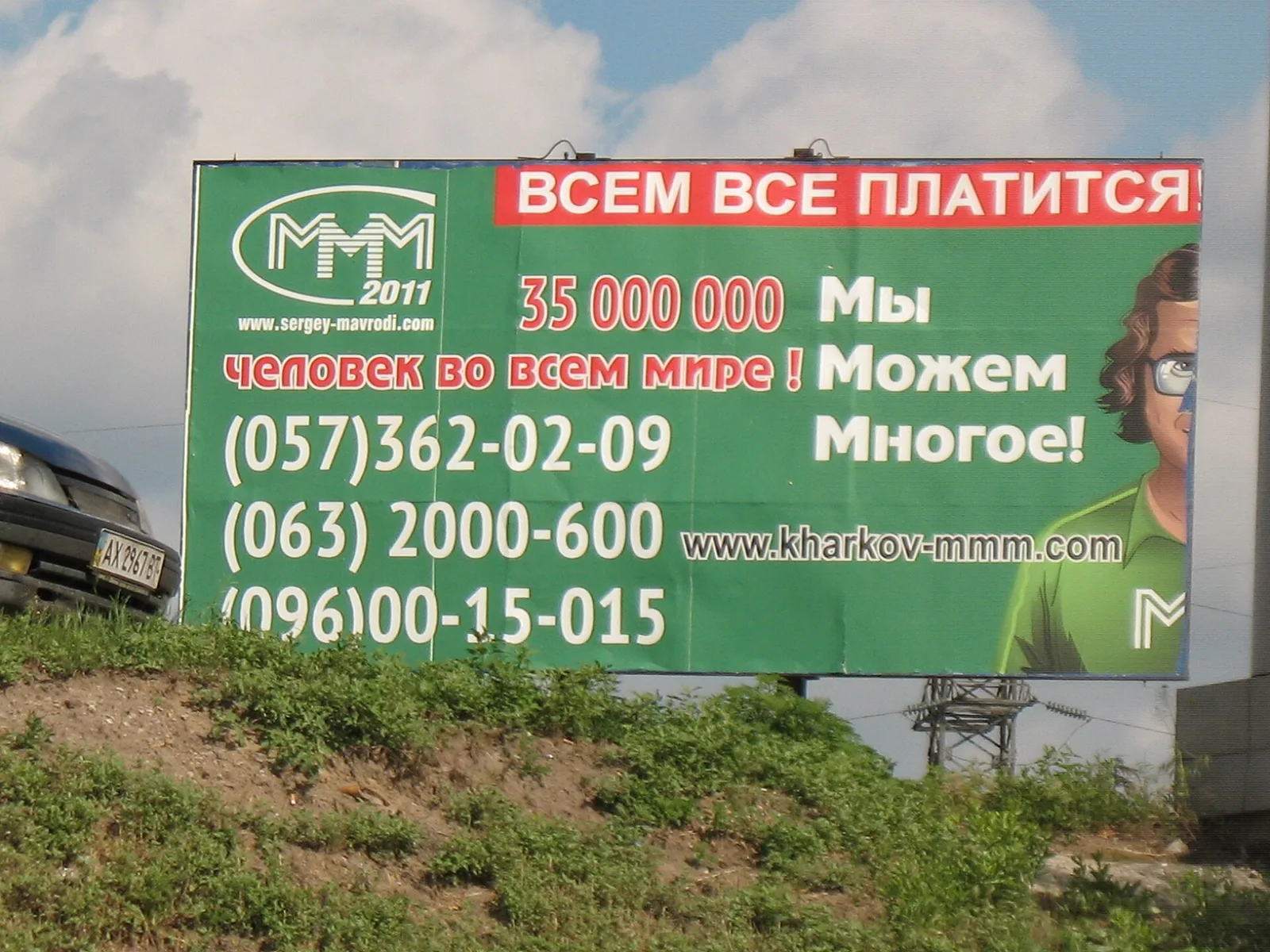
3. MMM: From Russia To Nigeria Sergei Mavrodi founded MMM in Russia in 1989. By 1994 it was promising investors huge, steady returns, backed by a hugely popular television advertising campaign. In reality it paid early investors with the deposits of later ones, and when it collapsed that year, millions of Russians were left out of pocket. Mavrodi was jailed briefly, but about three weeks after his release he won a seat in parliament, which gave him immunity. In December 1997 he declared MMM bankrupt and disappeared, spending years on the run until he was arrested in 2003. In April 2007 he was sentenced to four and a half years in prison, but he walked free the following month because the time he had already spent in custody covered most of the term. He was far from finished. In January 2011 he launched MMM-2011, which he openly called a pyramid scheme, then froze it in May 2012 and stopped all payouts. The scheme went global, arriving in Nigeria in 2015 and booming there in 2016, when around three million people reportedly signed up. Accounts were frozen in Zimbabwe in September 2016 and in Nigeria that December, when withdrawals stopped for good. A comeback was announced for January 2017, with members told to pay in more to recover their old balances, but it never got going. Mavrodi died of heart problems in a Moscow hospital in March 2018, aged 62, and MMM announced its final shutdown the following month.
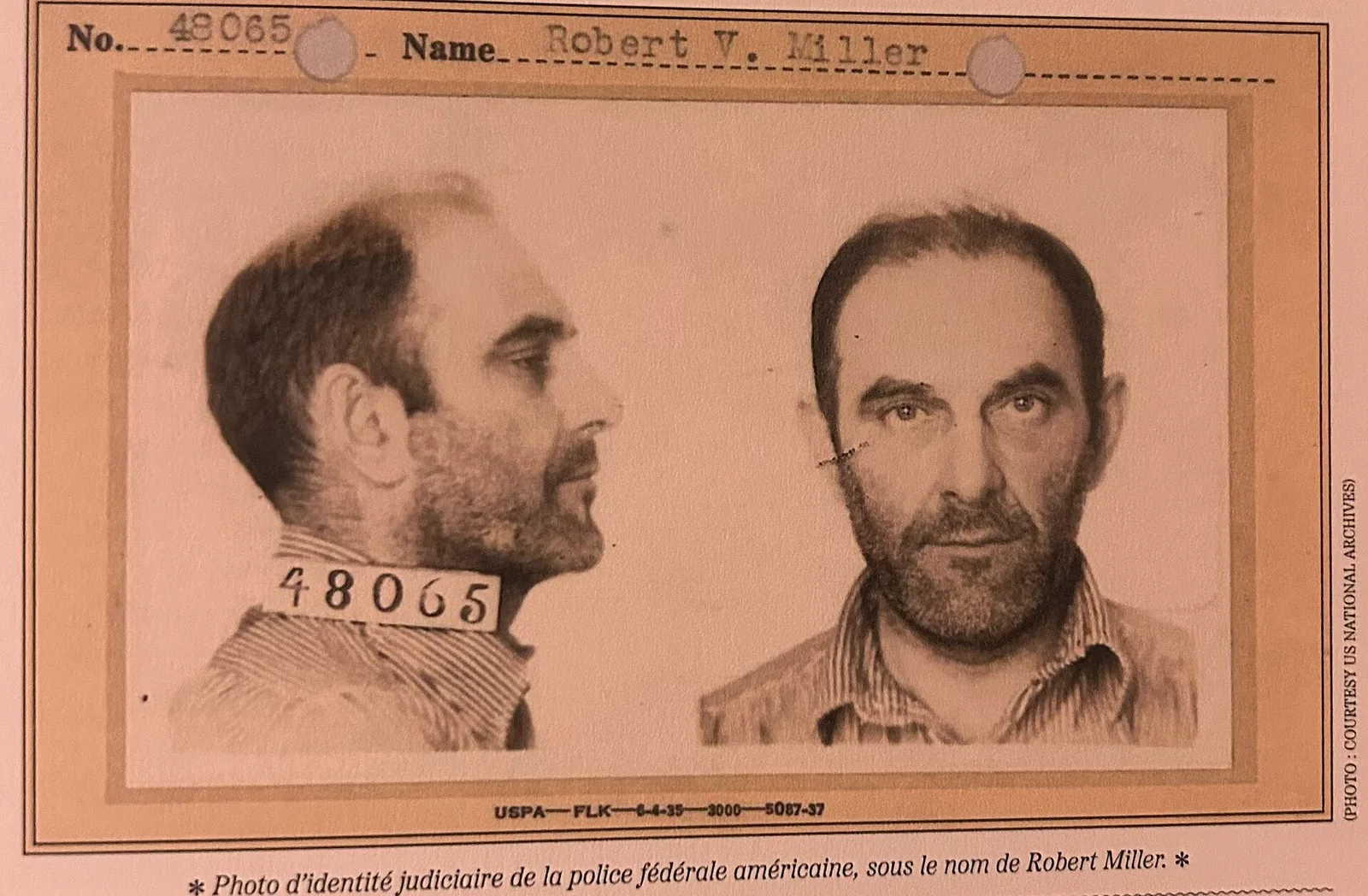
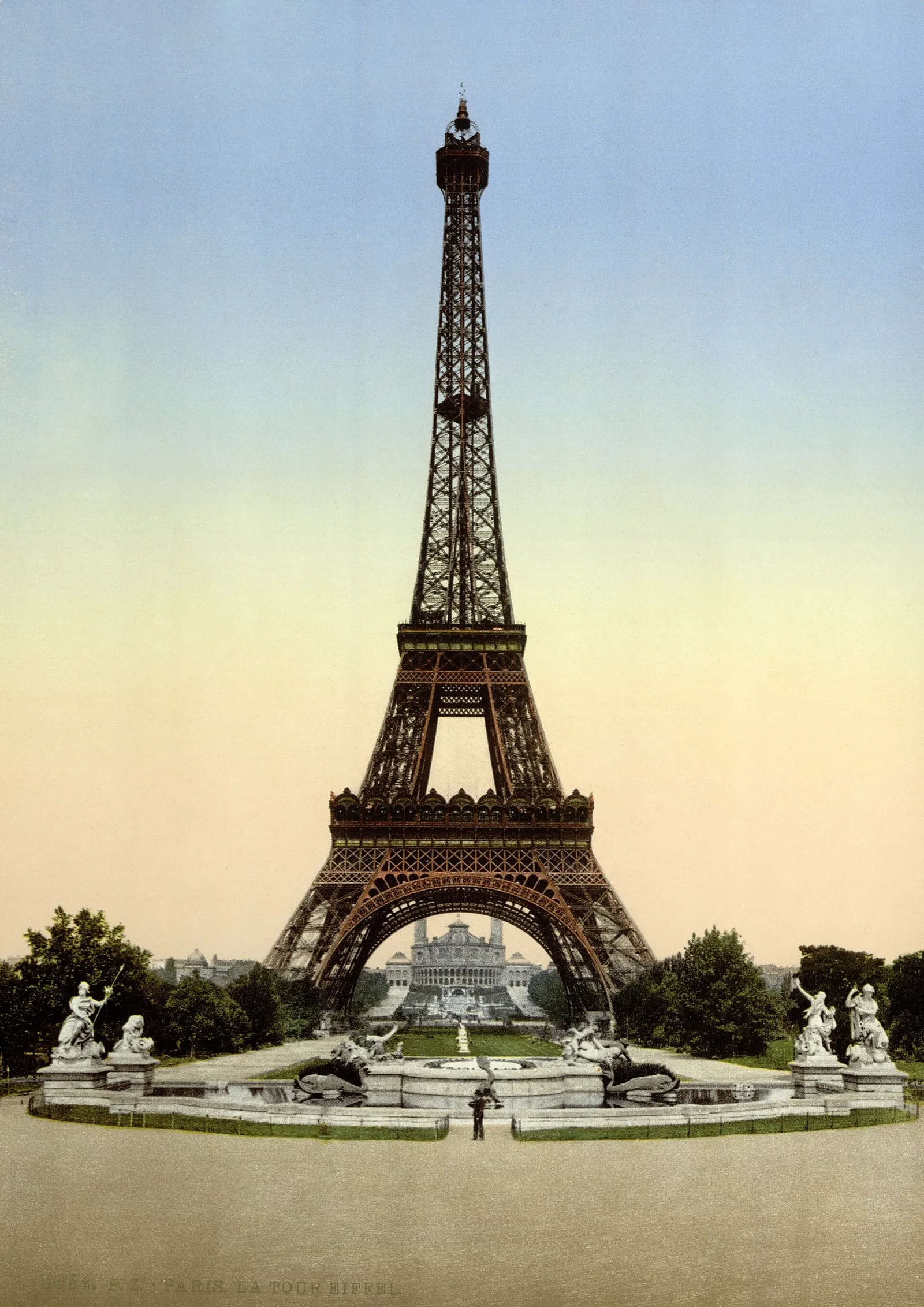
2. Victor Lustig: The Man Who Sold The Eiffel Tower In 1925, Victor Lustig read that Paris was struggling to afford the upkeep of the Eiffel Tower. Posing as a government official, he invited a group of scrap metal dealers to a luxury hotel and told them the tower was to be sold for scrap. One dealer paid up, and Lustig fled with the cash. The victim was so embarrassed that he did not go to the police, so Lustig returned and tried the same trick again on another group. According to the often-told story, he also conned the gangster Al Capone, taking $50,000 as an "investment", returning it later and being given $5,000 as a reward for his honesty. He was finally caught in 1935 for counterfeiting and sentenced to 20 years and sent to Alcatraz. He was later moved to a federal prison medical center in Springfield, Missouri, where he died of pneumonia in 1947.
1. The Banco Noroeste Fraud: Selling A Fake Airport This one sounds like fiction. In the mid-1990s, a group of Nigerian fraudsters led by Emmanuel Nwude convinced Nelson Sakaguchi, a director at Brazil's Banco Noroeste, that Nigeria was building a new international airport in Abuja and that he could earn huge profits by paying the "fees" and "taxes" needed to release the contract money. To make the story convincing, they set up a fake office, with fake officials and documents. Over about three years they collected roughly $242 million, and the losses helped force the bank into a sale to the Spanish bank Santander. It is often described as one of the largest advance-fee frauds ever, the type commonly known as a "419" scam. Nwude was convicted in Nigeria in 2005, sentenced to 25 years in prison and forced to forfeit assets, while an accomplice, Amaka Anajemba, received 2.5 years and was ordered to return about $25 million.

Why These Stories Still Matter Every scam on this list worked for the same reasons: a promise of returns that were too good to be true, a convincing story and trust in someone who looked successful. The names and the technology change, but the tricks stay the same. Before you hand over money, ask who is paying the returns, who regulates the business, and whether you can withdraw your money whenever you want. If the answers are vague, walk away.
Image Credits Images were resized and converted for the web and were not cropped. Bernard Madoff mugshot: U.S. Department of Justice, public domain, via Wikimedia Commons Sam Bankman-Fried: Cointelegraph, CC BY 3.0, via Wikimedia Commons FTX Arena: Phillip Pessar, CC BY 2.0, via Wikimedia Commons Elizabeth Holmes: Glenn Fawcett, U.S. Department of Defense, public domain, via Wikimedia Commons Anna Delvey: Philip Romano, CC BY 4.0, via Wikimedia Commons Evacuation of Tirana: Petty Officer 2nd Class Brett Siegel, U.S. Navy, public domain, via Wikimedia Commons MMM-2011 billboard: Vizu, CC BY-SA 3.0, via Wikimedia Commons Menzgold protest: Fquasie, CC BY-SA 4.0, via Wikimedia Commons Ruja Ignatova poster: Federal Bureau of Investigation, public domain, via Wikimedia Commons Victor Lustig mugshot: US National Archives, public domain, via Wikimedia Commons Eiffel Tower, 1900: Library of Congress, public domain, via Wikimedia Commons Abuja airport terminal: Mr. Snatch, CC0, via Wikimedia Commons
Comments
Loading…